
Master Healthy Cooking Without the Mistakes
Discover the common cooking mistakes that sabotage your nutrition goals, and learn science-backed strategies to transform your kitchen habits for lasting wellness.
Editorial content from Organic Recipe Journey editorial board
The information on this site is for educational purposes only and does not constitute medical advice. Always consult a qualified healthcare professional before making health decisions.
Did you know? Most home cooks unknowingly destroy nutrients while cooking.
High heat, improper timing, and incorrect technique can strip your meals of vitamins and minerals. This guide reveals what to avoid and how to cook smarter.
Why Your Cooking Methods Matter More Than Ingredients
Selecting organic vegetables and premium proteins is only half the battle. How you prepare these foods determines whether their nutrients actually reach your body. Temperature, cooking duration, water usage, and technique all significantly impact the nutritional profile of your final dish.
Most home cooks follow recipes without understanding the underlying science. They boil vegetables until they're soft, overcrowd pans to save time, use excessive oil, or skip essential preparation steps. These habits, while common, systematically reduce the nutrient density of meals.
Our editorial team has researched decades of culinary science to identify the most impactful cooking mistakes. By understanding what to avoid and adopting smarter techniques, you can dramatically improve the health benefits of every meal you prepare.
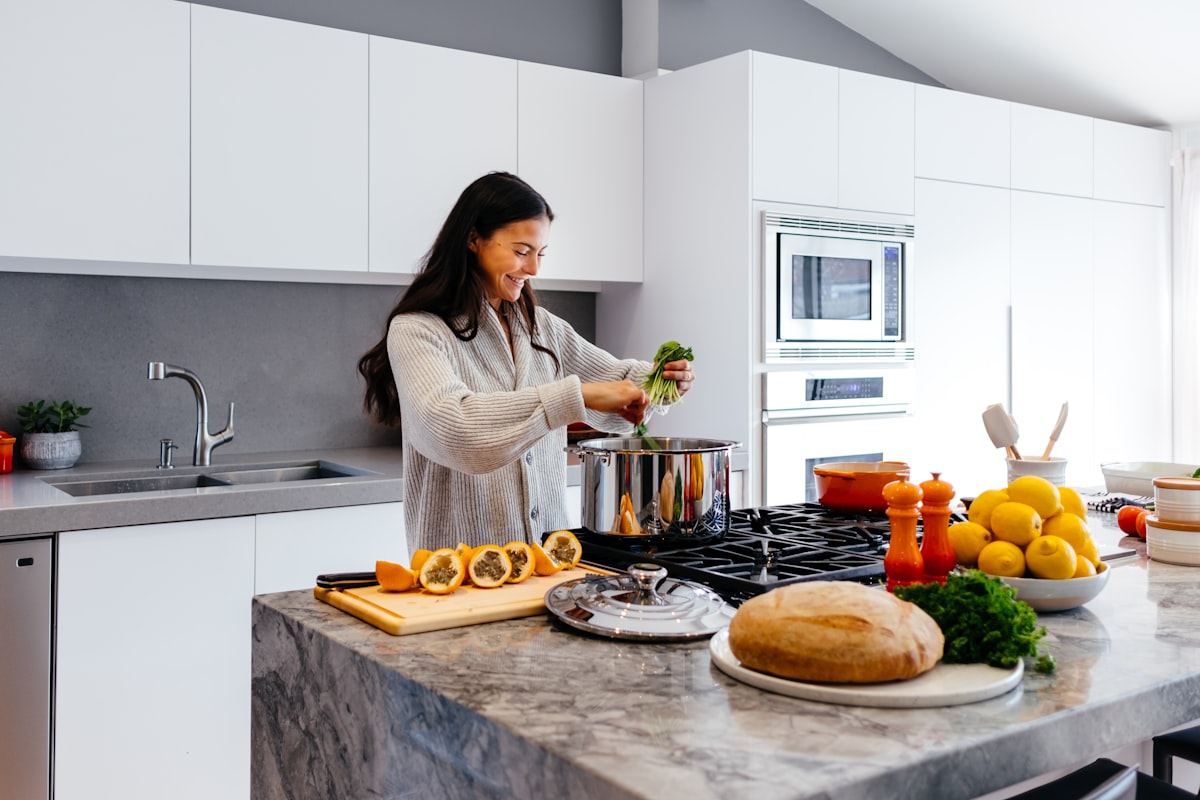
The 6 Most Common Healthy Cooking Mistakes
These are the habits that silently undermine your nutritional goals. Recognizing them is the first step toward smarter cooking.
Using Excessive Heat
High heat is convenient, but it destroys heat-sensitive vitamins like B-vitamins and vitamin C. Many cooks default to high temperatures without realizing they're cooking away the nutrients they're trying to preserve.
Over-Boiling Vegetables
Boiling vegetables in large amounts of water leaches minerals and water-soluble vitamins into the cooking liquid, which is typically discarded. This is one of the easiest mistakes to reverse.
Overcooking Proteins
Extended cooking times at high temperatures denature proteins excessively and can create harmful compounds. The goal is reaching safe doneness, not charring everything into submission.
Ignoring Preparation Steps
Skipping washing, proper cutting sizes, and timing preparation work makes cooking harder and less nutritious. These foundational steps aren't just about food safety—they directly impact nutrient retention.
Overusing Cooking Oils
Adding excessive oil increases calories without improving flavor or nutrition. Different cooking methods require different oil quantities. Learning optimal amounts saves money while protecting your meals.
Inconsistent Seasoning Timing
When you season matters as much as what you season with. Adding salt too early draws out moisture; too late and it doesn't penetrate. Timing errors affect both flavor and texture of your final dish.
Your Path to Smarter Cooking
Follow these evidence-based steps to transform your cooking habits and preserve maximum nutrition in every meal.
Learn Temperature Science
Understand which cooking methods and temperatures suit different foods. Not all vegetables need the same heat level, and proteins have safe minimum temperatures, not maximums.
Master Preparation Basics
Proper washing, cutting uniformity, and ingredient staging eliminate errors during cooking. These "boring" steps directly impact the nutritional outcome of your dishes.
Practice Smart Cooking Techniques
Steam instead of boil when possible, use minimal water, control heat precisely, and time your cooking to reach doneness without overcooking. Small adjustments yield big results.
Build Consistency Into Routine
Repeat better techniques until they become automatic. Keep a simple reference guide in your kitchen until new habits take root. Consistency matters more than perfection.
Real Results From Our Readers
See how understanding cooking mistakes has transformed the way people prepare meals and approach nutrition.
"I thought I was doing everything right, buying organic and following recipes. Then I read about boiling vegetables in too much water—I was literally throwing away the nutrients! Within weeks of switching to steaming, my family noticed we had more energy. (Results may vary) This site doesn't just give recipes; it explains the why behind every technique. That understanding changed how I cook forever."
Sarah Mueller
Munich, Germany
"I was overcooking everything—vegetables were mushy, chicken was dry, timing was always off. The article on temperature control and cooking times completely reframed how I approached the stove. I now use lower heat more often, time things properly, and meals taste better AND are more nutritious. The science behind it makes so much sense once it's explained clearly."
Klaus Hoffmann
Cologne, Germany
"As a busy parent, I was using every shortcut possible—microwaving vegetables, using high heat always, ignoring proper prep. Your articles showed me that smarter technique actually saves time AND improves nutrition. My kids now eat more vegetables without complaint, and I feel less guilty about meal prep."
Petra Schmidt
Berlin, Germany
"I had no idea that oil usage was that important—I was drowning my food in unnecessary calories. The practical tips about oil quantities for different methods were eye-opening. My meals are lighter, taste cleaner, and I'm finally seeing the health improvements I expected from buying quality ingredients."
Anna Weber
Frankfurt, Germany
See the Difference Proper Technique Makes
Visual comparison of how different cooking methods affect the appearance and quality of common vegetables and proteins.
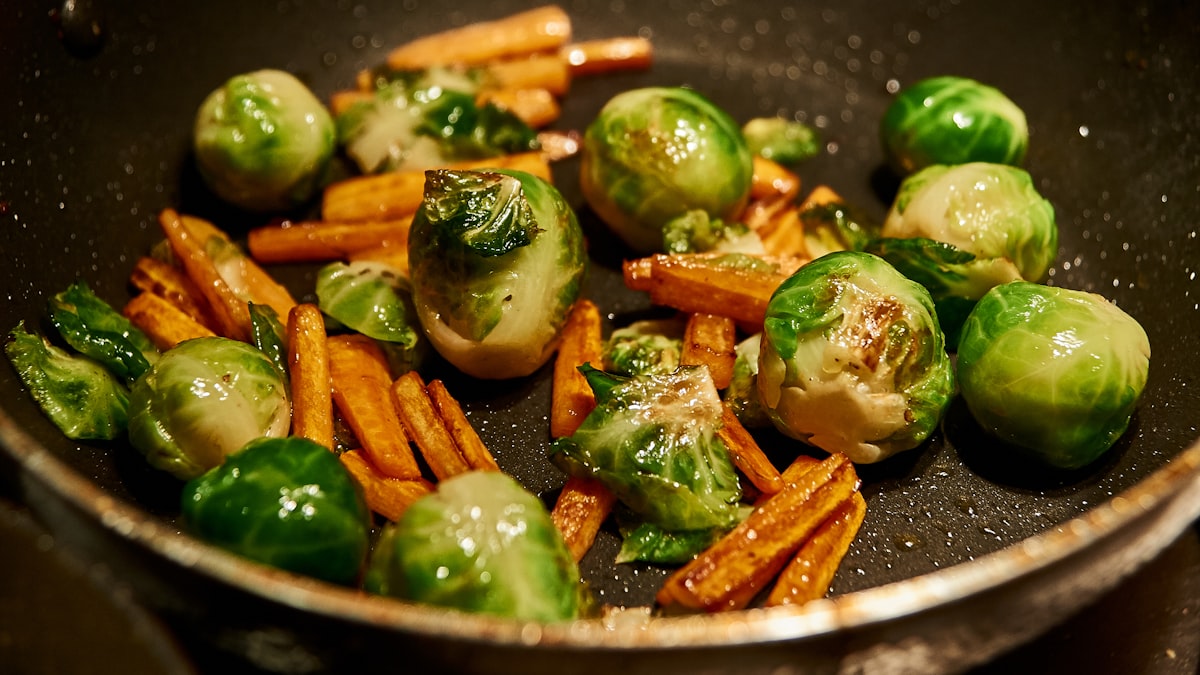
Correct: Steamed Broccoli
Bright green color, firm texture, nutrients preserved. Steaming with minimal water (just 2cm) maintains structure while locking in vitamins. Cooking time: 4-5 minutes maximum.
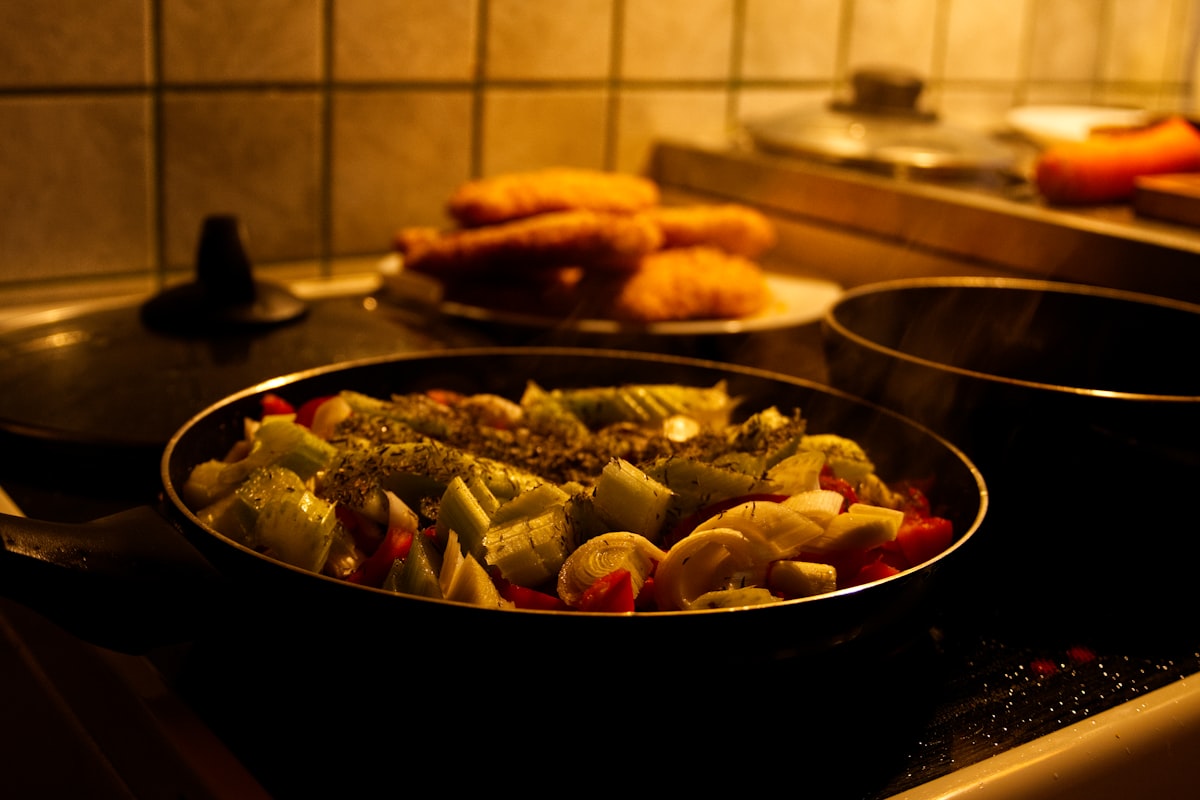
Incorrect: Boiled Too Long
Dull color, mushy texture, nutrients leached into water. Boiling in large quantities destroys water-soluble vitamins and minerals. Common mistake that strips nutritional value.
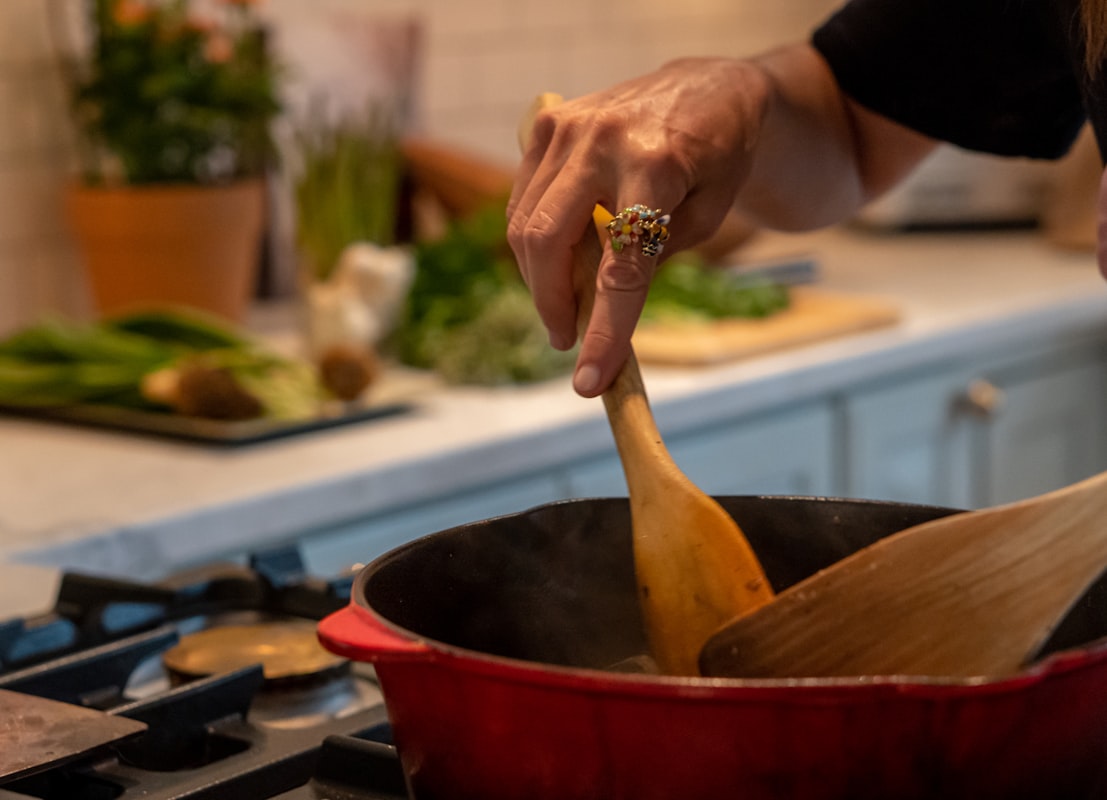
Correct: Properly Cooked Chicken
Moist interior, safe internal temperature (165°F/74°C), perfect color. Medium heat, consistent timing, and using a thermometer prevent overcooking while maintaining food safety.

Incorrect: Overcooked Chicken
Dry interior, exterior charring, nutrient damage, unpleasant flavor. High heat throughout cooking denatures proteins excessively and creates compounds you want to avoid.
Frequently Asked Questions
Common questions about healthy cooking techniques and avoiding nutritional mistakes.
Leafy greens like spinach, kale, and swiss chard contain heat-sensitive vitamins and minerals. The best approach depends on your goal:
- Raw: Maximum nutrient retention, ideal for salads and raw preparations. No nutrient loss from heat.
- Light wilting: Brief exposure to moderate heat (30-60 seconds) slightly increases nutrient bioavailability for some compounds while preserving most vitamins.
- Steaming: 2-3 minutes of gentle steaming preserves structure and most nutrients better than boiling.
- Avoid: Long boiling in excess water, which leaches water-soluble vitamins into the cooking liquid.
Pro tip: If you do boil greens, save the cooking water for soups or broths to recover some lost minerals.
Get Weekly Healthy Cooking Tips
Join our editorial community for science-backed cooking strategies delivered directly to your inbox. No spam, just practical wisdom from our team of culinary researchers.
We respect your privacy. Unsubscribe anytime.
Ready to Transform Your Cooking?
Explore our complete guide to healthy cooking mistakes and learn the science behind every technique in the kitchen.
What Our Community Says
"Organic Recipe Journey completely changed how I approach cooking. The science-backed tips and easy-to-follow recipes make healthy eating feel natural and enjoyable!"
Sarah Mitchell
Health Coach
"I've been following the cooking mistakes guide for three months now and my family has noticed a huge difference in how our food tastes and how we feel. Highly recommend!"
James Rodriguez
Parent & Home Chef
"The recipes are not just delicious—they teach you something valuable with every meal. This is exactly what I was looking for to improve my culinary skills."
Elena Thompson
Food Blogger